


Men have feelings too: Breaking the Stigma
Did you know that men account for 75% of suicides?
This fact was stated according to a 2023 report by ‘HeadsUpGuys’, and another 42% of men reported they engage in hazardous behaviour, such as drinking high amounts of alcohol.
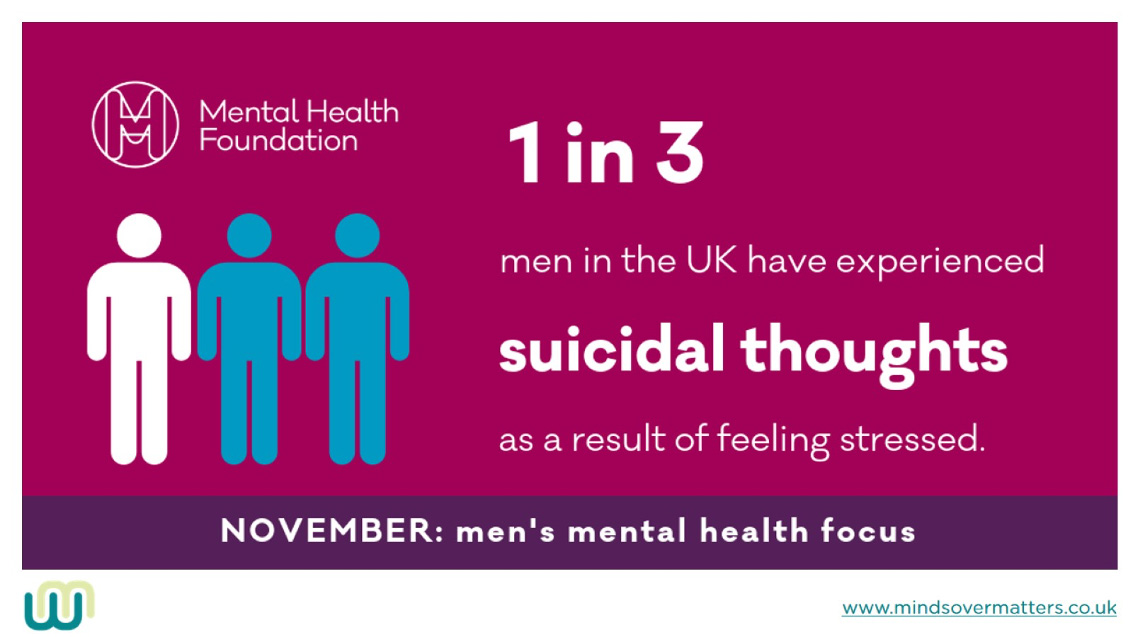
As we enter Men’s Mental Health Awareness Month (Movember), it’s vital to recognise the distinct workplace mental health challenges for men. A ‘Mind’ survey in 2017 across 30 organisations found men are twice as likely to face job-related mental health issues. In 2022, ‘The Men’s Health Forum’ recorded over 191,000 men in the UK reporting work-related stress, depression, or anxiety, emphasising the need for increased awareness and support in the business realm.
However, a prevailing stigma surrounds men’s mental health in the corporate sector, and this has led to many men feeling uncomfortable with discussing their struggles at work. In a world where the workplace serves as the crucible of personal and professional growth, the significance of supporting men’s mental health cannot be overstated. The office does not need to be a battleground for men to silently grapple with their mental well-being. Rather, it can be a sanctuary of support and camaraderie, fostering healthier minds, happier lives, and heightened productivity.

Here are some insights on how to better support the cause and advance DE&I in your company:
1. Encourage open conversations: Create a safe space for men to discuss their mental health challenges without the fear of judgement or repercussions. This can be achieved through training, support groups, and access to mental health resources such as counselling, therapy, and meditation apps. Initiatives like Movember and CALM (Campaign Against Living Miserably) make it easy for firms to raise awareness of male mental health issues, fostering a culture of openness through conversation-starting resources and engaging events.
2. Foster a supportive work environment: Encourage a work culture that prioritises mental health and promotes work-life balance. This can be accomplished through flexible work arrangements, employee wellness programs, and other initiatives. Notably, the WHO (World Health Organization) is committed to improving mental health at work and outlines relevant principles and strategies for achieving good mental health in the workplace in their global strategy on health, environment, and climate change, and comprehensive mental health action plan (2013–2030).

3. Lead by example: Business leaders should set the precedent by prioritising their mental health. This can help establish a culture that encourages employees to do the same. For instance, if you’re a manager, building a psychologically safe environment where it’s okay to show vulnerability can begin with one-on-one conversations. Sharing the impact of your own life and work challenges on your emotional state demonstrates acceptance and vulnerability.
Globally, an estimated 12 billion working days are lost annually due to depression and anxiety at US$ 1 trillion per year in lost productivity, according to the WHO. This underscores the importance of embedding mental well-being in your company’s DE&I core values. Movember provides an opportunity to destigmatize seeking help and increase the awareness of men’s mental health in society. By taking action to support this cause, your organisation can improve employee well-being and overall firm success.
At Migasuto, our dedication to diversity and inclusion extends to Men’s Mental Health Awareness Month. We excel in shaping content that spans industries, turning your messages into compelling stories. Join us in cultivating a workplace that not only celebrates diversity but also prioritises the mental well-being of all. Together, let’s build a more inclusive and mentally resilient environment.
